- English
- 简体中文
- Esperanto
- Afrikaans
- Català
- שפה עברית
- Cymraeg
- Galego
- 繁体中文
- Latviešu
- icelandic
- ייִדיש
- беларускі
- Hrvatski
- Kreyòl ayisyen
- Shqiptar
- Malti
- lugha ya Kiswahili
- አማርኛ
- Bosanski
- Frysk
- ភាសាខ្មែរ
- ქართული
- ગુજરાતી
- Hausa
- Кыргыз тили
- ಕನ್ನಡ
- Corsa
- Kurdî
- മലയാളം
- Maori
- Монгол хэл
- Hmong
- IsiXhosa
- Zulu
- Punjabi
- پښتو
- Chichewa
- Samoa
- Sesotho
- සිංහල
- Gàidhlig
- Cebuano
- Somali
- Тоҷикӣ
- O'zbek
- Hawaiian
- سنڌي
- Shinra
- Հայերեն
- Igbo
- Sundanese
- Lëtzebuergesch
- Malagasy
- Yoruba
- Español
- Português
- русский
- Français
- 日本語
- Deutsch
- tiếng Việt
- Italiano
- Nederlands
- ภาษาไทย
- Polski
- 한국어
- Svenska
- magyar
- Malay
- বাংলা ভাষার
- Dansk
- Suomi
- हिन्दी
- Pilipino
- Türkçe
- Gaeilge
- العربية
- Indonesia
- Norsk
- تمل
- český
- ελληνικά
- український
- Javanese
- فارسی
- தமிழ்
- తెలుగు
- नेपाली
- Burmese
- български
- ລາວ
- Latine
- Қазақша
- Euskal
- Azərbaycan
- Slovenský jazyk
- Македонски
- Lietuvos
- Eesti Keel
- Română
- Slovenski
- मराठी
- Srpski језик

How Do Cone Bottom Tanks Improve Drainage Efficiency?
Abstract: This article explains the cone bottom tank, its structural design, material options, and typical applications in industrial processing, storage, and mixing systems. It provides practical guidance on features, installation, and selection criteria for cone bottom tanks used in liquid and powder handling.
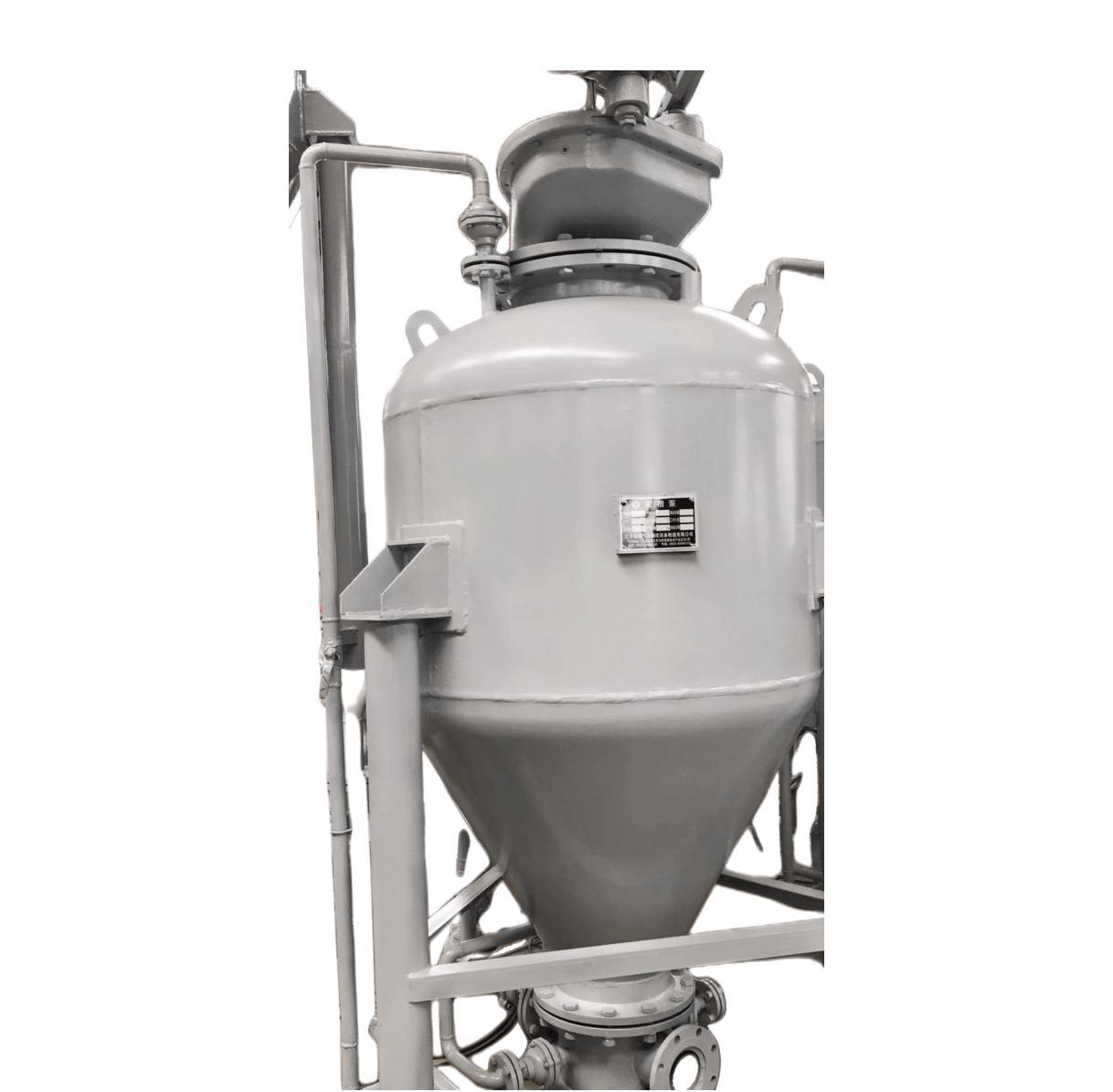
Table of Contents
What a Cone Bottom Tank Is
A cone bottom tank is a storage or processing vessel with a conical lower section that directs contents toward a single discharge point. This geometry allows for complete drainage and reduces the risk of sediment buildup. It is widely used in industries that handle liquids, slurries, and dry powders.
The tank's upper section is typically cylindrical, while the bottom narrows into a cone. The discharge outlet is located at the apex, making it easy to empty the tank fully. This design is especially valuable in applications where product purity and clean-out are important.
Design & Structural Features
The cone bottom tank combines a cylindrical body with a conical base. This arrangement supports efficient flow and complete discharge. Key design elements include the cone angle, outlet size, and support structure.
Conical Base
The cone angle is selected based on the material's flow characteristics. Steeper cones promote better flow for powders and slurries, while shallower angles may suit free-flowing liquids.
Discharge Outlet
A single outlet at the bottom center allows full drainage. The outlet size and valve type are chosen to match the required flow rate and the nature of the contents.
Support Structure
Cone bottom tanks are often mounted on legs, skirt supports, or a structural frame. The support must handle the tank's weight and any dynamic loads during filling or mixing.
Drainage
Full Discharge
Conical base directs contents to a single outlet.
Cleanout
Easy Emptying
Reduces residue and simplifies cleaning between batches.
Support
Stable Mounting
Legs or skirt supports provide a secure base.
Materials & Construction Options
Cone bottom tanks can be fabricated from a range of materials to suit different products and environments. The choice depends on corrosion resistance, temperature, and hygiene requirements.
- Stainless steel for food, beverage, and pharmaceutical use.
- Carbon steel for general industrial storage.
- Fiberglass reinforced plastic for corrosive liquids.
- Polyethylene for chemical resistance and lightweight handling.
- Coated or lined interiors for specific product compatibility.
Selecting the right material and surface finish helps maintain product quality and extend the tank's service life.
Applications in Industry
The cone bottom design is used across many sectors where complete drainage and controlled discharge are required.
Food & Beverage Processing
Used for storing and processing liquids, syrups, and semi-solid products. The conical base supports full recovery of product and easy cleaning.
Chemical & Pharmaceutical
Ideal for mixing and holding chemical solutions and powders. Corrosion-resistant materials help maintain purity and safety.
Water & Wastewater Treatment
Used as settling and storage tanks where sludge and solids must be concentrated and removed from the bottom.
Selection & Installation Tips
Choosing the right cone bottom tank depends on the product, process, and site conditions. The table below outlines key considerations.
| Consideration | Recommendation |
|---|---|
| Cone angle | Match to the flow characteristics of the material. |
| Material | Select based on corrosion, temperature, and hygiene needs. |
| Outlet size | Size for the required discharge rate and product type. |
| Support type | Confirm the support can handle the loaded weight. |
| Cleaning access | Include inspection ports or manways if needed. |
For detailed specifications and available configurations, visit the cone bottom tanks product page.
Frequently Asked Questions
It is used for storing, mixing, and processing liquids, slurries, and powders. The conical base allows complete drainage and reduces sediment buildup, making it useful in food, chemical, and wastewater applications.
The angle depends on the material's flow behavior. Free-flowing liquids may use a shallower cone, while powders and slurries often need a steeper angle to ensure reliable discharge.
Common options include stainless steel, carbon steel, fiberglass reinforced plastic, and polyethylene. The choice depends on corrosion resistance, temperature, and hygiene requirements.
They are typically mounted on legs, a skirt, or a structural frame. The support system must be designed to carry the tank's weight and any loads from mixing or filling operations.
Why Use Cone Bottom Tanks
Cone bottom tanks offer a practical solution for complete drainage and controlled discharge. Their design reduces product loss, simplifies cleaning, and supports a wide range of industrial processes. With the right material and configuration, they can be adapted to food, chemical, pharmaceutical, and water treatment applications.
To review dimensions, materials, and ordering options, explore the cone bottom tanks page or contact our team for assistance.