- English
- 简体中文
- Esperanto
- Afrikaans
- Català
- שפה עברית
- Cymraeg
- Galego
- 繁体中文
- Latviešu
- icelandic
- ייִדיש
- беларускі
- Hrvatski
- Kreyòl ayisyen
- Shqiptar
- Malti
- lugha ya Kiswahili
- አማርኛ
- Bosanski
- Frysk
- ភាសាខ្មែរ
- ქართული
- ગુજરાતી
- Hausa
- Кыргыз тили
- ಕನ್ನಡ
- Corsa
- Kurdî
- മലയാളം
- Maori
- Монгол хэл
- Hmong
- IsiXhosa
- Zulu
- Punjabi
- پښتو
- Chichewa
- Samoa
- Sesotho
- සිංහල
- Gàidhlig
- Cebuano
- Somali
- Тоҷикӣ
- O'zbek
- Hawaiian
- سنڌي
- Shinra
- Հայերեն
- Igbo
- Sundanese
- Lëtzebuergesch
- Malagasy
- Yoruba
- Español
- Português
- русский
- Français
- 日本語
- Deutsch
- tiếng Việt
- Italiano
- Nederlands
- ภาษาไทย
- Polski
- 한국어
- Svenska
- magyar
- Malay
- বাংলা ভাষার
- Dansk
- Suomi
- हिन्दी
- Pilipino
- Türkçe
- Gaeilge
- العربية
- Indonesia
- Norsk
- تمل
- český
- ελληνικά
- український
- Javanese
- فارسی
- தமிழ்
- తెలుగు
- नेपाली
- Burmese
- български
- ລາວ
- Latine
- Қазақша
- Euskal
- Azərbaycan
- Slovenský jazyk
- Македонски
- Lietuvos
- Eesti Keel
- Română
- Slovenski
- मराठी
- Srpski језик

Why Is a Positive Dilute Phase Transport Roots Blower Essential for Efficient Pneumatic Conveying Systems
A Positive Dilute Phase Transport Roots Blower is one of the most critical components in modern pneumatic conveying systems. It provides stable airflow, reliable pressure performance, energy-efficient operation, and long-term durability for transporting powders, granules, and bulk materials across industrial facilities.
In this comprehensive guide, we will explore how a Positive Dilute Phase Transport Roots Blower works, why industries rely on it, how it compares with alternative conveying technologies, and what factors should be considered before purchasing one. Whether you operate in cement, food processing, chemical manufacturing, power generation, or environmental protection industries, understanding the advantages of this technology can significantly improve productivity and reduce operational costs.
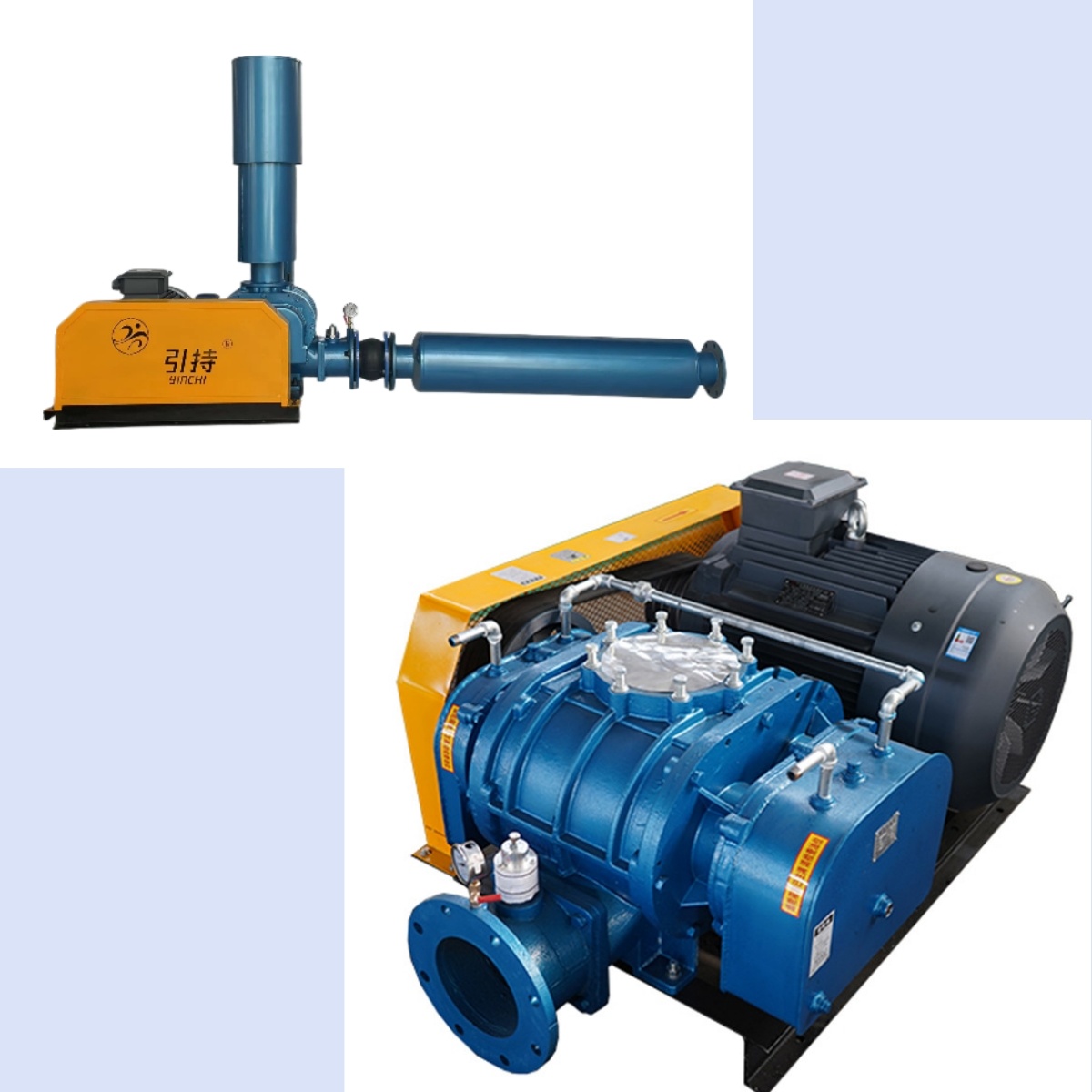
Table of Contents
- What Is a Positive Dilute Phase Transport Roots Blower?
- How Does It Work?
- Key Advantages of Positive Dilute Phase Transport Roots Blowers
- Industrial Applications
- Comparison with Other Conveying Technologies
- How to Select the Right Roots Blower
- Maintenance Best Practices
- Energy Efficiency Considerations
- Why Choose Yinchi?
- Frequently Asked Questions
- Conclusion
What Is a Positive Dilute Phase Transport Roots Blower?
A Positive Dilute Phase Transport Roots Blower is a positive displacement air blower specifically designed to generate continuous airflow for dilute phase pneumatic conveying systems. In a dilute phase system, materials are transported in suspension within a moving stream of air.
Unlike dense phase conveying, where material moves in plugs at relatively low velocity, dilute phase transport relies on higher air velocities to keep particles suspended throughout the conveying pipeline.
The blower serves as the primary air source that creates the pressure differential necessary to move bulk materials from one point to another efficiently.
Industries handling powders, pellets, grains, fly ash, cement, plastic resins, chemicals, and food ingredients often depend on Positive Dilute Phase Transport Roots Blowers because they provide:
- Continuous airflow
- Stable pressure output
- Reliable performance
- Low maintenance requirements
- Long service life
How Does It Work?
The operating principle of a Positive Dilute Phase Transport Roots Blower is based on synchronized rotors rotating in opposite directions inside a casing.
As the rotors rotate:
- Air enters the inlet chamber.
- Air becomes trapped between rotor lobes and housing walls.
- The trapped air is transported toward the discharge side.
- Air exits under pressure into the pneumatic conveying pipeline.
- The airflow transports material through the system.
Since there is no internal compression inside the blower chamber, the design minimizes wear and allows consistent performance over long operating periods.
Key Advantages of Positive Dilute Phase Transport Roots Blowers
1. Stable Airflow Delivery
One of the biggest advantages of a Positive Dilute Phase Transport Roots Blower is its ability to provide stable airflow regardless of pressure fluctuations.
This consistency ensures reliable material transport and reduces the risk of pipeline blockages.
2. High Reliability
Roots blowers contain relatively simple mechanical structures. Their non-contact rotor design minimizes wear and extends equipment lifespan.
3. Low Maintenance Costs
With fewer wear components compared to many alternative conveying technologies, maintenance expenses remain relatively low.
4. Energy Efficiency
Modern Positive Dilute Phase Transport Roots Blowers are engineered to optimize airflow while minimizing energy consumption.
5. Flexible Industrial Integration
These blowers can be integrated into both new and existing pneumatic conveying systems with minimal modification requirements.
Industrial Applications
The versatility of Positive Dilute Phase Transport Roots Blowers makes them suitable across numerous industries.
| Industry | Transported Materials | Main Benefit |
|---|---|---|
| Cement | Cement powder, fly ash | Dust-free conveying |
| Chemical | Powders and granules | Reliable transfer |
| Food Processing | Flour, sugar, starch | Clean operation |
| Power Plants | Fly ash | Efficient waste handling |
| Plastic Manufacturing | Resin pellets | Consistent material flow |
| Environmental Protection | Treatment materials | Process efficiency |
Comparison with Other Conveying Technologies
When evaluating conveying solutions, many engineers compare Positive Dilute Phase Transport Roots Blowers with alternative technologies.
| Feature | Roots Blower | Centrifugal Blower | Vacuum Conveying |
|---|---|---|---|
| Pressure Stability | Excellent | Moderate | Good |
| Maintenance | Low | Medium | Medium |
| Durability | High | Moderate | Moderate |
| Energy Efficiency | High | Variable | Variable |
| Material Compatibility | Excellent | Good | Good |
For most industrial pneumatic conveying systems requiring consistent airflow and pressure, Positive Dilute Phase Transport Roots Blowers remain the preferred solution.
How to Select the Right Roots Blower
Choosing the right Positive Dilute Phase Transport Roots Blower requires a thorough understanding of process requirements.
Key factors include:
- Required airflow capacity
- Operating pressure range
- Material characteristics
- Pipeline length
- Ambient operating conditions
- Energy efficiency targets
- Noise requirements
- Future expansion plans
Proper sizing prevents energy waste and ensures optimal conveying performance.
Maintenance Best Practices
Although Positive Dilute Phase Transport Roots Blowers are highly reliable, regular maintenance is essential.
Recommended Maintenance Checklist
- Inspect lubrication systems regularly.
- Monitor bearing temperatures.
- Check vibration levels.
- Clean intake filters.
- Inspect belts and couplings.
- Verify pressure readings.
- Monitor noise changes.
- Schedule periodic performance evaluations.
Following these practices helps maximize equipment lifespan while reducing downtime.
Energy Efficiency Considerations
Energy consumption often represents one of the largest operating expenses in pneumatic conveying systems.
Modern Positive Dilute Phase Transport Roots Blowers incorporate several efficiency-enhancing features:
- Optimized rotor profiles
- Advanced sealing technology
- Precision manufacturing
- Reduced internal leakage
- Variable frequency drive compatibility
By implementing proper blower sizing and intelligent control systems, facilities can significantly reduce overall energy costs.
Many industrial users report measurable reductions in operating expenses after upgrading to newer blower technologies designed specifically for dilute phase transport applications.
Why Choose Yinchi?
When investing in a Positive Dilute Phase Transport Roots Blower, selecting the right manufacturer is equally important as choosing the right equipment.
Yinchi has established itself as a trusted supplier of industrial blower solutions by focusing on:
- Advanced manufacturing technology
- Strict quality control systems
- Comprehensive product testing
- Customized engineering support
- Reliable after-sales service
- Competitive operational efficiency
Yinchi's engineering expertise enables customers to achieve dependable pneumatic conveying performance across a wide range of demanding industrial applications.
Frequently Asked Questions
What materials can a Positive Dilute Phase Transport Roots Blower convey?
It can support the transport of powders, pellets, granules, fly ash, flour, sugar, cement, plastic resins, and many other bulk materials.
How long does a Roots blower typically last?
With proper maintenance, industrial Roots blowers commonly operate reliably for many years and often exceed expected service life.
Is a Positive Dilute Phase Transport Roots Blower energy efficient?
Yes. Modern designs are optimized for airflow efficiency and can significantly reduce energy consumption when properly sized.
What industries benefit most from this technology?
Cement, chemical processing, food manufacturing, plastics, power generation, wastewater treatment, and environmental protection industries benefit extensively.
How often should maintenance be performed?
Routine inspections should be conducted according to manufacturer recommendations and operating conditions, typically including daily checks and scheduled preventive maintenance.
Can the blower be integrated into existing conveying systems?
Yes. Most Positive Dilute Phase Transport Roots Blowers can be integrated into existing pneumatic conveying infrastructures with appropriate engineering evaluation.
Conclusion
A Positive Dilute Phase Transport Roots Blower plays a fundamental role in achieving reliable, efficient, and cost-effective pneumatic conveying operations. Its ability to deliver stable airflow, maintain pressure consistency, reduce maintenance requirements, and support a wide variety of industrial materials makes it a preferred solution for modern manufacturing facilities.
As industries continue to prioritize productivity, sustainability, and operational efficiency, investing in a high-quality Positive Dilute Phase Transport Roots Blower becomes an increasingly strategic decision. Whether you are upgrading an existing system or designing a new conveying process, selecting the right blower can have a significant impact on long-term performance and profitability.
Ready to improve your pneumatic conveying system with a high-performance Positive Dilute Phase Transport Roots Blower? The expert team at Yinchi is here to help you find the ideal solution for your application. Contact us today to discuss your project requirements, receive professional technical guidance, and discover how our advanced blower technologies can enhance efficiency, reliability, and operational success.