- English
- 简体中文
- Esperanto
- Afrikaans
- Català
- שפה עברית
- Cymraeg
- Galego
- 繁体中文
- Latviešu
- icelandic
- ייִדיש
- беларускі
- Hrvatski
- Kreyòl ayisyen
- Shqiptar
- Malti
- lugha ya Kiswahili
- አማርኛ
- Bosanski
- Frysk
- ភាសាខ្មែរ
- ქართული
- ગુજરાતી
- Hausa
- Кыргыз тили
- ಕನ್ನಡ
- Corsa
- Kurdî
- മലയാളം
- Maori
- Монгол хэл
- Hmong
- IsiXhosa
- Zulu
- Punjabi
- پښتو
- Chichewa
- Samoa
- Sesotho
- සිංහල
- Gàidhlig
- Cebuano
- Somali
- Тоҷикӣ
- O'zbek
- Hawaiian
- سنڌي
- Shinra
- Հայերեն
- Igbo
- Sundanese
- Lëtzebuergesch
- Malagasy
- Yoruba
- Español
- Português
- русский
- Français
- 日本語
- Deutsch
- tiếng Việt
- Italiano
- Nederlands
- ภาษาไทย
- Polski
- 한국어
- Svenska
- magyar
- Malay
- বাংলা ভাষার
- Dansk
- Suomi
- हिन्दी
- Pilipino
- Türkçe
- Gaeilge
- العربية
- Indonesia
- Norsk
- تمل
- český
- ελληνικά
- український
- Javanese
- فارسی
- தமிழ்
- తెలుగు
- नेपाली
- Burmese
- български
- ລາວ
- Latine
- Қазақша
- Euskal
- Azərbaycan
- Slovenský jazyk
- Македонски
- Lietuvos
- Eesti Keel
- Română
- Slovenski
- मराठी
- Srpski језик

Why Is a Sewage Treatment Roots Air Blower Essential for Efficient Wastewater Treatment Systems
Modern wastewater treatment facilities require reliable and energy-efficient aeration equipment to ensure smooth biological treatment processes. A Sewage treatment roots air blower plays a critical role in delivering stable airflow for oxygen supply, sludge mixing, and wastewater circulation. Industries, municipalities, aquaculture farms, and environmental engineering projects increasingly rely on advanced blower systems to improve operational efficiency while reducing energy costs.
As a professional manufacturer, Yinchi provides high-performance Roots blowers designed for sewage treatment applications. These blowers are known for stable air volume, low vibration, durable construction, and excellent energy efficiency. In this article, we will explore how a Sewage treatment roots air blower works, its advantages, applications, maintenance methods, and how to choose the right model for your project.
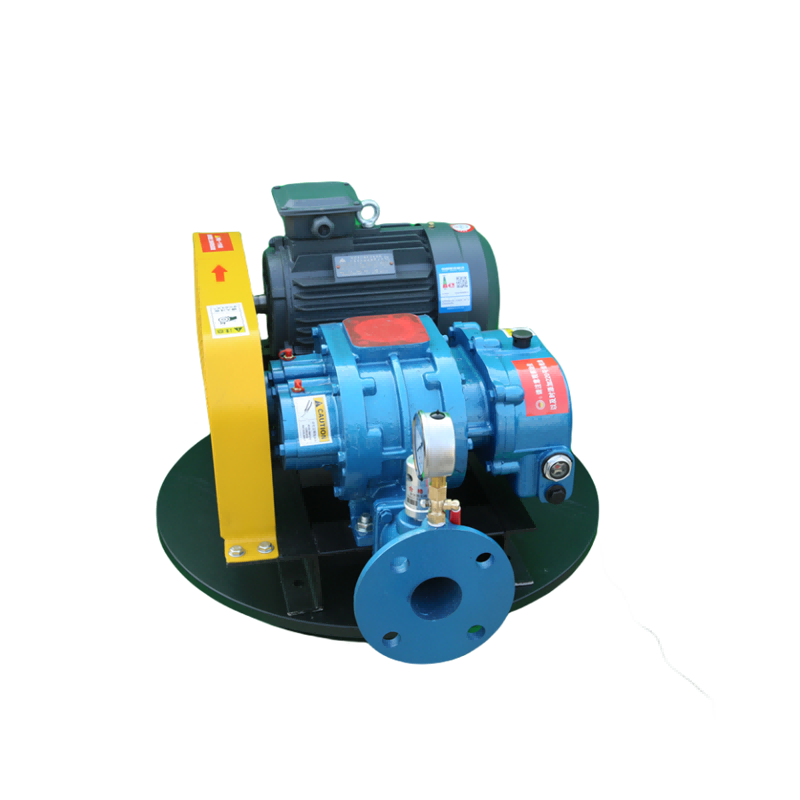
Table of Contents
- What Is a Sewage Treatment Roots Air Blower?
- How Does a Roots Air Blower Work?
- Why Are Roots Blowers Important in Sewage Treatment?
- Key Advantages of Sewage Treatment Roots Air Blowers
- Main Applications in Wastewater Treatment
- Roots Blower vs Other Aeration Equipment
- How to Choose the Right Roots Air Blower
- Installation and Maintenance Tips
- Energy-Saving Solutions for Wastewater Plants
- Why Choose Yinchi Roots Air Blowers?
- Frequently Asked Questions
- Conclusion
What Is a Sewage Treatment Roots Air Blower?
A Sewage treatment roots air blower is a positive displacement blower designed to deliver continuous airflow during wastewater treatment processes. It uses two synchronized rotors rotating in opposite directions to compress and transport air efficiently.
In sewage treatment plants, oxygen is necessary for aerobic microorganisms that decompose organic waste. The Roots blower supplies compressed air to aeration tanks, ensuring efficient biological treatment and maintaining water quality standards.
Compared with traditional air compressors, Roots blowers offer stable airflow, lower maintenance requirements, and excellent durability under continuous operation conditions.
How Does a Roots Air Blower Work?
The operating principle of a Sewage treatment roots air blower is relatively simple yet highly effective. The blower contains two lobed rotors mounted on parallel shafts. As the rotors rotate, air enters the inlet chamber and becomes trapped between the rotor lobes and casing.
The trapped air is then transferred from the inlet side to the outlet side without internal compression. Compression occurs when the discharged air meets system pressure.
Main Components
- Blower casing
- Two synchronized rotors
- Drive shaft
- Bearings and gears
- Lubrication system
- Motor and coupling
Operational Process
- Air enters through the inlet port.
- Rotors trap a fixed amount of air.
- Air moves along the casing.
- Compressed air exits through the discharge port.
Why Are Roots Blowers Important in Sewage Treatment?
Wastewater treatment systems depend heavily on aeration efficiency. Without sufficient oxygen supply, microorganisms cannot effectively break down pollutants.
A Sewage treatment roots air blower ensures:
- Stable oxygen delivery
- Efficient biological treatment
- Reduced sludge accumulation
- Improved water quality
- Continuous system operation
- Lower operating costs
The blower directly impacts dissolved oxygen levels, treatment efficiency, and overall plant performance.
Key Advantages of Sewage Treatment Roots Air Blowers
1. Continuous Airflow Stability
Roots blowers provide constant airflow regardless of pressure fluctuations, making them ideal for wastewater aeration systems.
2. Energy Efficiency
Modern blower systems from Yinchi are optimized to minimize energy consumption while maintaining high airflow output.
3. Durable Structure
The robust mechanical design ensures long service life even in harsh sewage treatment environments.
4. Low Maintenance Costs
With fewer moving parts compared to centrifugal compressors, maintenance requirements remain relatively low.
5. Low Noise Operation
Advanced acoustic insulation and precision engineering help reduce operational noise.
6. Wide Application Range
A Sewage treatment roots air blower can be used in municipal sewage treatment plants, industrial wastewater systems, aquaculture, chemical plants, and more.
Main Applications in Wastewater Treatment
| Application | Function | Benefits |
|---|---|---|
| Municipal Sewage Treatment | Biological aeration | Improves water purification efficiency |
| Industrial Wastewater | Oxygen supply for bacteria | Enhances pollutant decomposition |
| Aquaculture | Pond aeration | Maintains healthy oxygen levels |
| Chemical Plants | Gas circulation | Supports stable chemical reactions |
| Food Processing | Wastewater oxygenation | Reduces contamination risks |
Roots Blower vs Other Aeration Equipment
| Equipment Type | Airflow Stability | Energy Efficiency | Maintenance | Cost |
|---|---|---|---|---|
| Roots Air Blower | Excellent | High | Low | Moderate |
| Centrifugal Blower | Moderate | Moderate | Medium | High |
| Air Compressor | High Pressure | Lower for Aeration | High | High |
| Side Channel Blower | Lower Volume | Moderate | Low | Low |
How to Choose the Right Roots Air Blower
Selecting the appropriate Sewage treatment roots air blower depends on several operational factors.
Key Selection Factors
- Required airflow capacity
- Operating pressure
- Energy consumption targets
- Noise requirements
- Installation environment
- Maintenance accessibility
- Continuous operation demands
Important Technical Parameters
| Parameter | Description |
|---|---|
| Airflow Rate | Measured in m³/min |
| Pressure | Operating discharge pressure |
| Motor Power | Energy consumption capacity |
| Noise Level | Measured in decibels |
| Cooling Method | Air-cooled or water-cooled |
Installation and Maintenance Tips
Installation Recommendations
- Install on a stable concrete foundation.
- Ensure proper ventilation around the blower.
- Use vibration isolation pads.
- Align motor and blower shafts accurately.
- Check lubrication before startup.
Routine Maintenance
- Inspect oil levels regularly.
- Clean air filters periodically.
- Check belt tension and alignment.
- Monitor vibration and temperature.
- Replace worn bearings promptly.
Proper maintenance significantly extends the service life of a Sewage treatment roots air blower.
Energy-Saving Solutions for Wastewater Plants
Energy consumption represents a major operating cost in sewage treatment facilities. Optimizing blower performance can greatly reduce electricity expenses.
Effective Energy-Saving Strategies
- Use variable frequency drives (VFD)
- Optimize aeration system design
- Conduct routine maintenance
- Select high-efficiency motors
- Reduce pipeline leakage
- Monitor dissolved oxygen levels
Yinchi focuses on advanced energy-saving technologies to help wastewater treatment facilities achieve sustainable operation goals.
Why Choose Yinchi Roots Air Blowers?
Yinchi has extensive experience in manufacturing industrial blower equipment for environmental protection and wastewater treatment industries.
Key Advantages of Yinchi Products
- Advanced manufacturing technology
- Strict quality inspection standards
- Stable airflow performance
- Excellent corrosion resistance
- Long operational lifespan
- Customized engineering solutions
- Professional technical support
Frequently Asked Questions
What is the primary function of a sewage treatment Roots air blower?
Its main function is to provide continuous airflow and oxygen supply for biological wastewater treatment processes.
Why are Roots blowers widely used in wastewater treatment plants?
They provide stable airflow, excellent durability, low maintenance costs, and high energy efficiency.
How often should a Roots blower be maintained?
Routine inspections should be performed monthly, while major maintenance schedules depend on operating conditions and usage frequency.
Can a sewage treatment Roots air blower operate continuously?
Yes. High-quality Roots blowers are specifically designed for continuous industrial operation.
What industries use sewage treatment Roots blowers?
Municipal wastewater treatment, chemical processing, aquaculture, food processing, pharmaceuticals, and environmental engineering industries all use Roots blowers.
How can energy consumption be reduced?
Using variable frequency drives, proper maintenance, and optimized aeration systems can significantly reduce energy usage.
Conclusion
A high-quality Sewage treatment roots air blower is essential for modern wastewater treatment systems. It provides reliable oxygen supply, improves biological treatment efficiency, lowers operational costs, and supports environmental sustainability goals. With strong durability, energy-saving performance, and stable airflow delivery, Roots blowers remain one of the most effective aeration solutions available today.
Yinchi continues to deliver advanced blower technologies designed for industrial and municipal wastewater treatment applications worldwide. If you are looking for efficient, reliable, and cost-effective blower solutions for your sewage treatment project, contact us today to learn more about customized Roots blower systems and professional technical support.