Abstract
If you rely on steady airflow for aeration, pneumatic conveying, dust control, or industrial ventilation, a blower that
runs “quietly in the background” is priceless. In reality, many teams struggle with belt slippage, frequent tensioning,
misalignment, inconsistent pressure, and surprise downtime that turns a normal shift into a firefight.
This article breaks down what makes Direct Coupling Roots Blowers different, where they shine,
and how to select, operate, and maintain them for dependable performance.
I’ll focus on practical buyer pain points: energy use, stability, maintenance workload, installation risk, noise and vibration,
and long-term reliability. You’ll also get an application-based sizing checklist, a comparison table, a simple maintenance plan,
and a troubleshooting guide. Along the way, I’ll reference typical engineering choices offered by Shandong Yinchi Environmental Protection Equipment Co., Ltd. for projects that demand continuous airflow.
Outline
-
Clarify the real operational pain points behind blower purchases.
-
Explain what “direct coupling” changes mechanically and operationally.
-
Connect benefits to measurable outcomes: uptime, power, labor hours, stability.
-
Compare direct coupling with belt-driven solutions in a practical table.
-
Provide a selection checklist you can use with any supplier quote.
-
Share installation and maintenance routines that reduce avoidable failures.
-
Answer frequent buyer questions in plain, shop-floor language.
What Problems Are You Really Trying to Solve?
Most blower shopping starts with airflow and pressure numbers. But most blower disappointment comes from everything
around those numbers. Here are the pain points I hear most often from operators and maintenance teams:
-
Unstable airflow that causes process swings in aeration or conveying lines.
-
Downtime from belt issues like tension loss, wear, slip, or pulley misalignment.
-
Rising energy bills because the system runs away from the best efficiency point.
-
Noise and vibration that triggers complaints and accelerates bearing wear.
-
Maintenance overload from frequent checks, adjustments, and unplanned repairs.
-
Hard commissioning because installation details were “left to the field.”
A good solution isn’t just “a blower.” It’s a blower system that stays aligned, stays stable, and stays serviceable.
This is exactly why many facilities lean toward Direct Coupling Roots Blowers when uptime matters more than
saving a little on the initial purchase price.
How Does Direct Coupling Work in a Roots Blower?
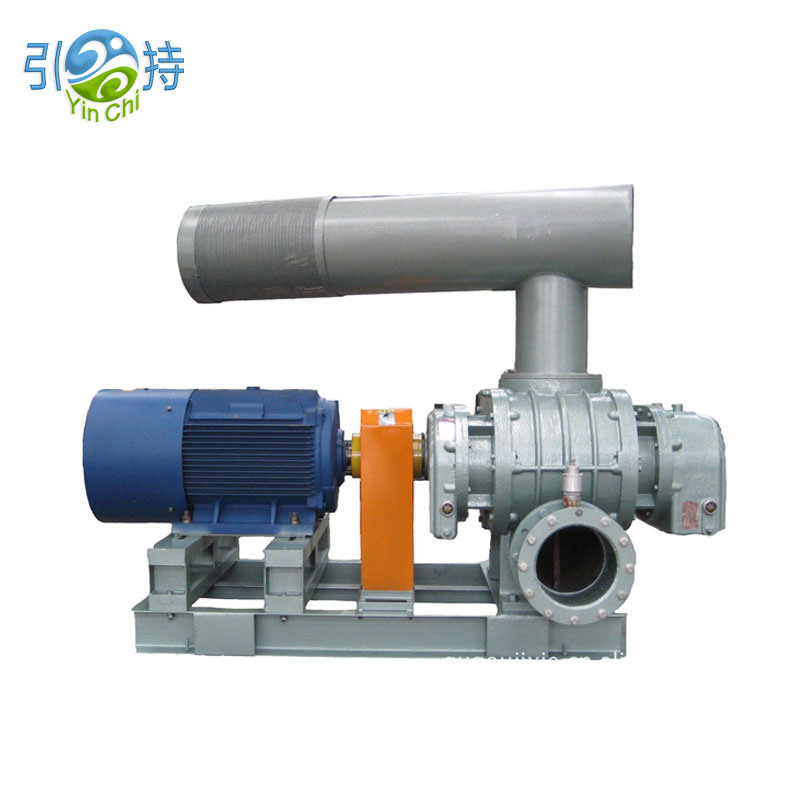
A Roots blower is a positive displacement machine. It moves a relatively fixed volume of air per revolution, which is
why it’s popular in processes that demand consistent flow. The drive method changes how reliably you can deliver that flow.
What “direct coupling” means
In a direct-coupled setup, the motor shaft connects to the blower input shaft through a coupling (often flexible) rather than
a belt-and-pulley system. The coupling transmits torque while accommodating small alignment or thermal expansion changes,
depending on the coupling type.
Why buyers care
Belts can work well, but belts also introduce extra variables: tension, slippage, pulley wear, dust contamination, and periodic
alignment checks. Direct coupling removes a big chunk of that complexity, which can translate directly into fewer stoppages and
less routine adjustment work.
What Benefits Matter Most in Daily Operation?
More stable airflow with fewer “small” failures
With fewer moving parts in the drive path, Direct Coupling Roots Blowers can deliver more consistent performance
day-to-day. That matters in aeration basins, where unstable air can harm treatment efficiency, and in conveying lines, where
pressure swings can cause plugging or product damage.
Lower maintenance labor for the drive system
Belt inspection, tensioning, replacement scheduling, and pulley wear checks all add up. Direct coupling doesn’t eliminate
maintenance, but it often reduces the repetitive “small tasks” that consume the most time and create the most human error.
Better long-run efficiency when configured correctly
Efficiency depends on the full system: inlet filter losses, pipe routing, discharge pressure, and control strategy.
But removing belt losses and slip can help you hold closer to the intended operating point. Pairing a direct-coupled blower
with proper controls (often a variable frequency drive when appropriate) is a common path to reducing wasted power.
Cleaner, tidier, safer installations
A belt guard, pulleys, belt dust, and tension zones take space and add safety considerations. Direct coupling can result in a more
compact package, which is useful when the blower room is crowded or access is limited.
Companies like Shandong Yinchi Environmental Protection Equipment Co., Ltd. typically build direct-coupled packages
with practical system elements in mind: intake filtration, noise control options, base frame design, and maintenance accessibility.
The details vary by model and project, but the goal is the same: keep the airflow reliable with fewer headaches.
Direct Coupling vs Belt Drive Comparison
|
Factor
|
Direct Coupling
|
Belt Drive
|
|
Routine adjustments
|
Typically minimal once aligned
|
Regular tensioning and alignment checks
|
|
Drive losses
|
Generally lower losses in the drive path
|
Can lose efficiency via slip and belt condition
|
|
Speed flexibility
|
Usually via VFD and motor control strategy
|
Can change pulley ratios but adds mechanical work
|
|
Space and guarding
|
Often more compact, simpler guarding
|
Needs belt guard and space for belt service
|
|
Maintenance parts
|
Coupling element replacement on schedule
|
Belts and pulleys replaced more frequently
|
|
Common failure triggers
|
Misalignment, coupling wear, bearing issues
|
Slip, belt wear, pulley wear, tension errors
|
If your site has the discipline and space for belt maintenance, belts can be fine. But if your pain is “we’re always chasing
little drive problems,” Direct Coupling Roots Blowers are often the calmer, more predictable choice.
How Do You Select the Right Blower Without Regret?
Selection mistakes usually come from missing system realities. Here’s a checklist I use to keep quotes comparable and
avoid “surprises after installation.”
Selection checklist
-
Required airflow and working pressure across real operating conditions, not just a single point.
-
Duty cycle such as continuous operation, intermittent loads, or seasonal peaks.
-
Air quality including dust, moisture, corrosive gases, or oil mist exposure.
-
Control method such as fixed speed, VFD control, or multi-unit staging.
-
Noise target including indoor limits and nearby workstations.
-
Maintenance access for filters, oil, coupling, and inspection points.
-
Protection devices like relief valve, temperature monitoring, and pressure instrumentation.
-
Pipeline layout to minimize elbows, avoid undersized pipes, and reduce pressure losses.
A simple way to sanity-check your quote
Ask the supplier to provide the expected power at your operating point and the recommended margin for the relief valve setting.
If two quotes show very different power for the same airflow and pressure, you’ve found a conversation worth having.
What Makes Installation Smooth Instead of Messy?
Most “blower problems” in the first month are installation problems in disguise. Direct coupling is forgiving in many ways,
but alignment, base stiffness, and piping stress still matter.
Installation essentials
-
Foundation and base should be level and rigid to prevent vibration amplification.
-
Piping support must prevent nozzle loads that pull the blower casing out of alignment.
-
Inlet filtration should be sized to minimize pressure drop and protect the rotors.
-
Check valve and relief valve placement helps avoid backflow and overpressure events.
-
Commissioning checks should include rotation direction, vibration baseline, temperature rise, and leakage.
If you’re buying a packaged system from Shandong Yinchi Environmental Protection Equipment Co., Ltd., request a clear
commissioning checklist and recommended consumables list upfront. It’s a small ask that prevents a lot of first-year chaos.
Maintenance Plan That Actually Gets Followed
The best maintenance plan is the one your team can execute consistently. Here’s a practical schedule that works for many
continuous-duty blower rooms. Always adjust based on your site conditions and operating hours.
Routine schedule
-
Daily or shift check listen for abnormal noise, note discharge pressure, confirm temperature is stable.
-
Weekly inspect inlet filter condition, check for leaks, verify vibration feels normal.
-
Monthly check oil level and appearance, inspect coupling condition visually, confirm fasteners are secure.
-
Quarterly record vibration readings if available, inspect alignment indicators if your site uses them.
-
Planned service replace oil and filters per manufacturer interval, replace coupling element as recommended.
The goal is boring predictability. A well-managed Direct Coupling Roots Blowers setup often earns its reputation
because it turns emergency repairs into scheduled tasks.
Fast Troubleshooting for Common Issues
Symptom and likely cause list
-
Flow drops but motor current rises likely higher discharge pressure, clogged filter, blocked pipeline, or valve position issue.
-
Flow drops and motor current falls likely inlet restriction, air leak, or bypass/relief valve opening too early.
-
Abnormal vibration likely piping stress, base looseness, misalignment, coupling wear, or bearing wear.
-
Overheating likely excessive pressure, poor ventilation, wrong oil, or cooling path blocked.
-
Loud pulsing noise may indicate resonance in piping, insufficient silencing, or unstable control logic.
Two quick checks that save time
-
Check inlet filter pressure drop and cleanliness before chasing deeper mechanical causes.
-
Verify discharge pressure at the blower outlet, not only at the far end of the line.
Where Do Direct Coupling Roots Blowers Fit Best?
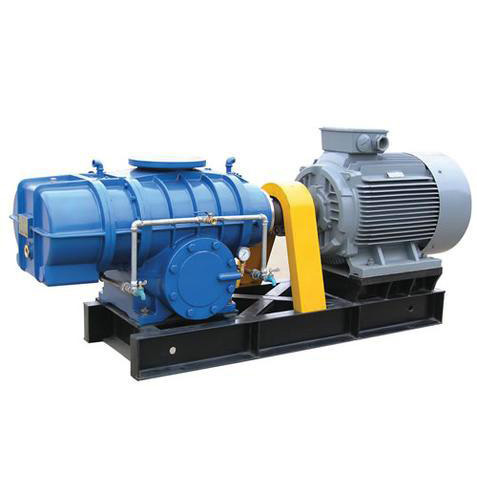
Direct Coupling Roots Blowers are especially valuable when your process needs steady airflow and your site values
reduced maintenance touchpoints. Common applications include:
-
Wastewater treatment aeration and equalization basins
-
Pneumatic conveying for powders, granules, and bulk materials
-
Desulfurization, oxidation, and industrial gas handling within appropriate material limits
-
Vacuum or pressure support for packaging, drying, and industrial ventilation tasks
-
Dust control and filtration systems needing stable pressure
If your operations team is stretched thin, or your environment punishes belt systems with dust and heat, direct coupling can
be the difference between “always adjusting” and “just running.”
FAQ
Which is better for energy use direct coupling or belt drive
Direct coupling often avoids belt-related losses and slippage, but real energy performance depends on how well the blower is
sized for the operating point, how your piping is designed, and how you control speed and pressure.
Do direct-coupled blowers require perfect alignment
They still require proper alignment during installation, but flexible couplings can tolerate small deviations. The better the
alignment, the longer your coupling and bearings tend to last.
Can I change airflow easily without changing hardware
In many cases yes, especially if the system supports variable speed control. Make sure the blower, motor, and process limits
are compatible with the target speed range.
What causes loud noise in Roots blower systems
Noise can come from pressure pulsation, resonance in the piping, insufficient silencers, high pressure operation, or mechanical
wear. A proper silencing strategy and stable operating point usually help the most.
How often should I change oil
Follow the manufacturer interval and adjust for temperature, dust, and operating hours. Oil condition tells the truth, so
if it darkens quickly or smells burnt, investigate heat and contamination sources.
Is a direct-coupled package harder to install than a belt-driven one
Not necessarily. The key is a rigid base, correct piping support, and commissioning checks. A packaged set from an experienced
supplier can simplify the process because components are matched and tested.
What information should I provide when requesting a quote
Airflow, working pressure range, duty cycle, site temperature, gas quality, altitude if relevant, control preference, and noise
expectations. The more complete the inputs, the less guesswork in the final selection.
What should I prioritize if I care most about uptime
Correct sizing, proper inlet filtration, protection devices, rigid installation, and a realistic maintenance schedule. A stable,
well-managed Direct Coupling Roots Blowers system is usually a high-uptime choice.
Final Thoughts
If you’re tired of frequent drive adjustments, inconsistent airflow, and maintenance tasks that never end, a direct-coupled
configuration is worth serious attention. When specified and installed properly, Direct Coupling Roots Blowers can
simplify daily operation while improving stability and reducing downtime risk.
If you want help matching airflow, pressure range, and site conditions to a practical configuration, Shandong Yinchi Environmental Protection Equipment Co., Ltd. can provide application guidance and packaged solutions.
Ready to move from “constant fixing” to “steady running” — contact us to discuss your project requirements.